
Shipper API Dojo: Built in One Day
I planned, built, debugged, and launched Shipper API Dojo in a single day. It’s an open-source training track that helps shipping and logistics teams (including sales and implementation folks) harden their APIs fast, without needing to be full-time engineers.
The Problem I’m Solving
Shipping and logistics stacks are brittle. Carrier integrations, rate shopping, labels, tracking, exceptions, webhooks, retries — each vendor is different, and each customer’s setup is unique. Engineering time is scarce, but the pain is shared across the org: sales teams need credible demos, implementation teams need reliable playbooks, and ops needs confidence the APIs won’t break on launch day.
The One-Day Plan
I scoped a single-day sprint to ship something real:
- Define the dojo track: focus on carrier integration hardening, webhook resilience, idempotency, retry/backoff, and sandbox-to-prod checklists.
- Noncommercial-first: PolyForm Noncommercial 1.0.0 — fork and adapt for noncommercial use; reach out for commercial licensing.
- Audience inclusive: engineers, sales engineers, and implementation leads — anyone who touches shipping flows.
- Training-ready: exercises, prompts, and checklists that map to real shipping scenarios.
What I Built Today
- API hardening drills: scenarios for label creation, tracking updates, and exception handling with clear inputs/outputs.
- Webhook resilience lab: simulate dropped/duplicated webhooks, test idempotency keys, and verify retry policies.
- Playbooks for non-engineers: plain-language guides so sales and implementation can explain and validate flows with customers.
- Logging and observability tips: minimal, copy-pasteable patterns for request/response tracing in shipping contexts.
- OSS repo structure: organized modules so teams can plug in their carrier SDKs or in-house adapters.
Debugging in the Open
I hit the usual friction: mismatched carrier sandbox behaviors, overzealous idempotency caches, and flaky test data. Each issue was documented, fixed, and folded into the drills so teams can reproduce and prevent the same failures.
Who This Helps
- Engineers: tighten reliability before the next peak season.
- Sales & SEs: demo credible, resilient flows without waiting on engineering tickets.
- Implementation: faster customer onboardings with repeatable API checklists.
- Support/Success: clearer runbooks for diagnosing carrier and webhook edge cases.
How to Use It
- Use the product at https://api-trainer.balllightning.cloud
- Or clone or fork the repo (PolyForm Noncommercial 1.0.0).
- Run the drills locally with your carrier adapters.
- Hand the playbooks to sales/implementation so they can validate flows with customers.
- Add your own scenarios and PR them back — I’ll keep curating.
What’s Next
- Expand scenarios for multi-carrier rate shopping and returns.
- Add guided videos and annotated traces.
- Publish a companion checklist for SOC2-ready logging in logistics APIs.
Feedback Wanted
I’ll post a LinkedIn recap next — drop your requested features or scenarios in the comments there so I can prioritize the next drills. Your input (from engineering, sales, or implementation) guides the roadmap.
Related News

A New Chapter: Full-Time at Hultafors Group
Since June 2025, I have worked full-time at Hultafors Group as Product & Service Owner — Integrations. Chronomation is paused, Ball Lightning AB remains a company presence and archive, and The Builder Coil is now an occasional personal devlog.
Chronomation.com Is Live
Historical launch announcement for the Chronomation marketing site, introducing the vision for a module-based productivity platform. Chronomation has since been paused and archived under Ball Lightning.
Agent Skills Updater: First Open-Source Release
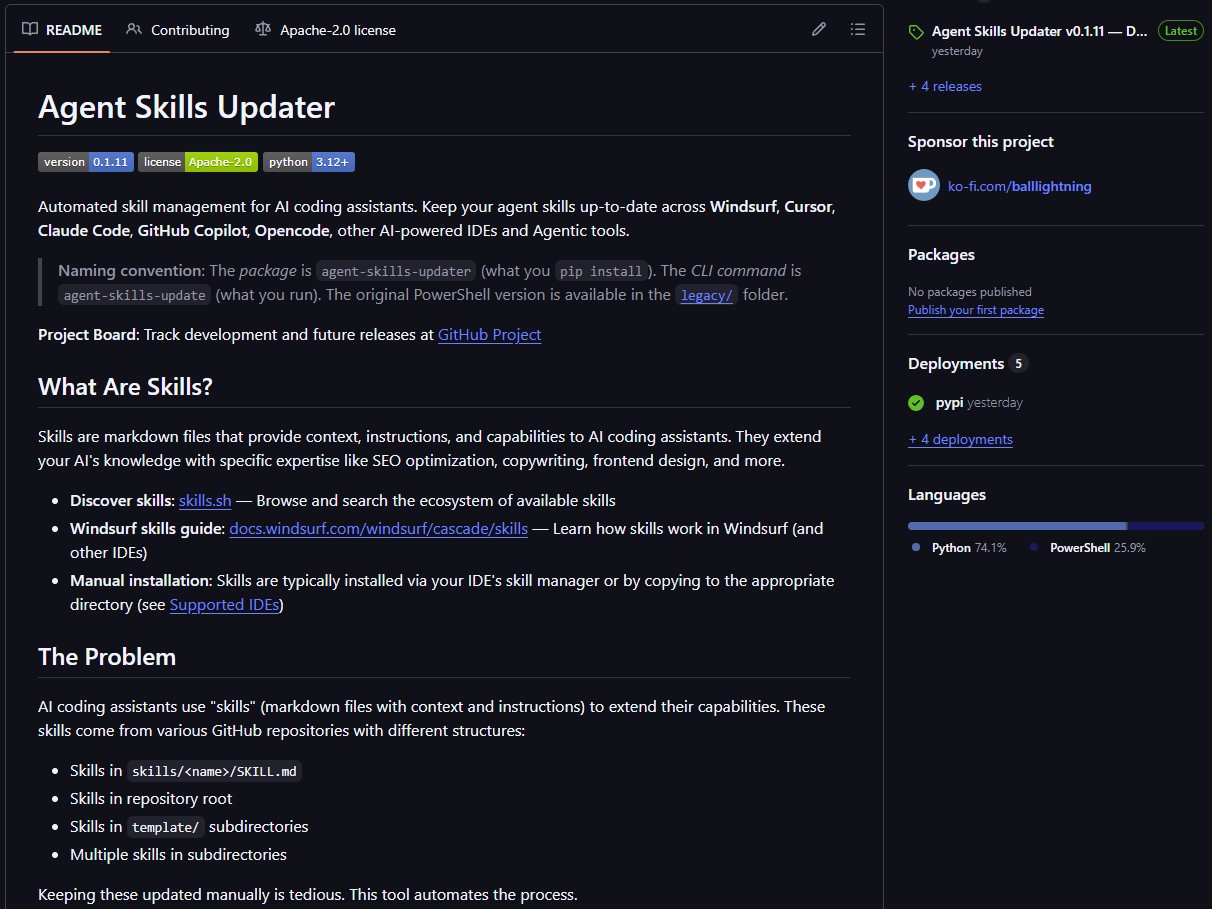
Agent Skills Updater is live on PyPI — a cross-platform CLI that keeps AI coding skills in sync across 40+ IDEs. First open-source release from Ball Lightning AB.