
The Builder's Log
Occasional devlogs on hobby projects, technical experiments, and learning notes.

Keeping My Side Projects Secure as AI Speeds Everything Up
AI helps me build more in my spare time. October's security updates made me think harder about how much I can realistically keep running.
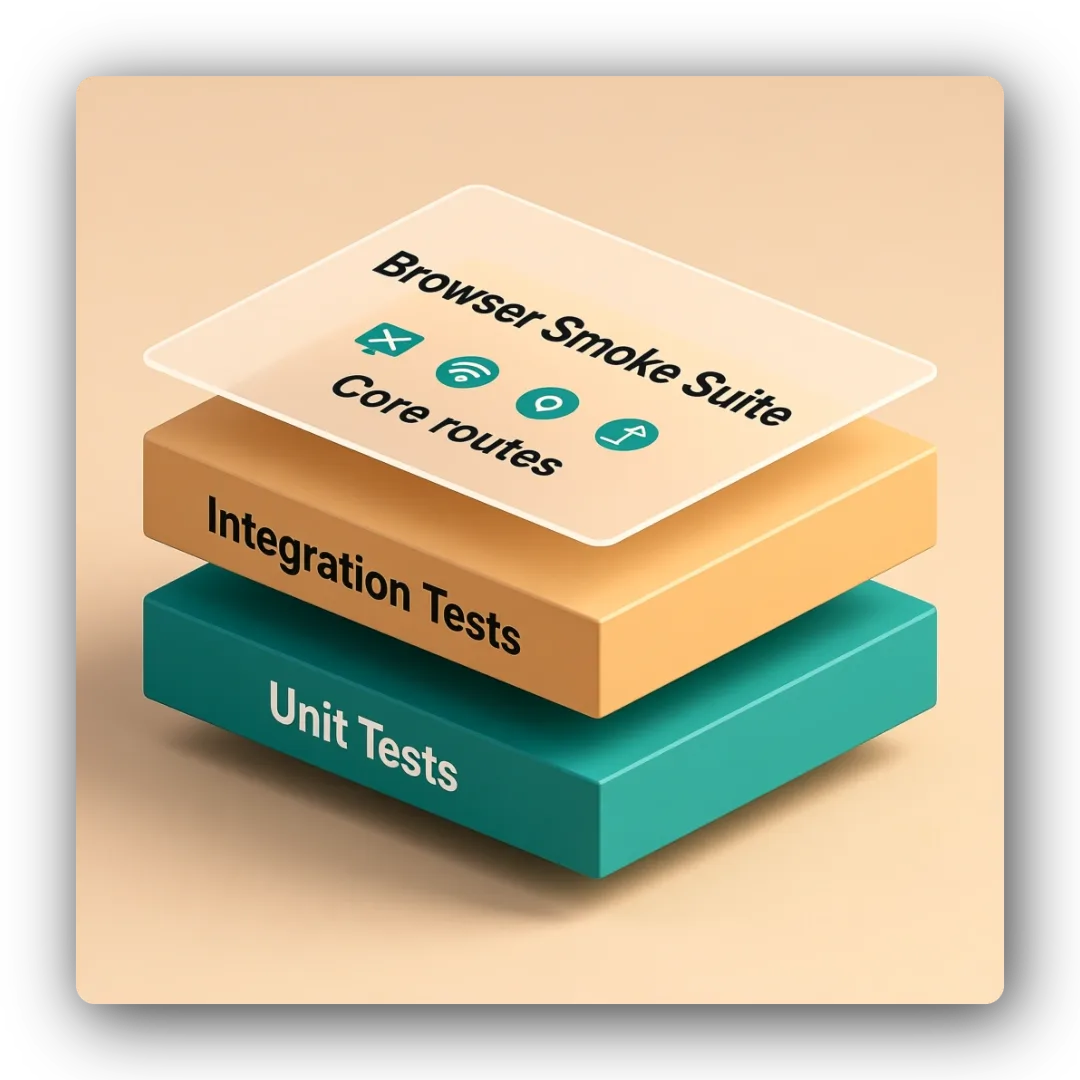
Browser Smoke Suite: Cost-Efficient Route Validation for Shipping API Dojo v2
Issue #17 added a minimal Playwright smoke suite to complement unit/integration coverage. I built a cost-efficient browser test layer for checkpoint validation and future mirror sites.
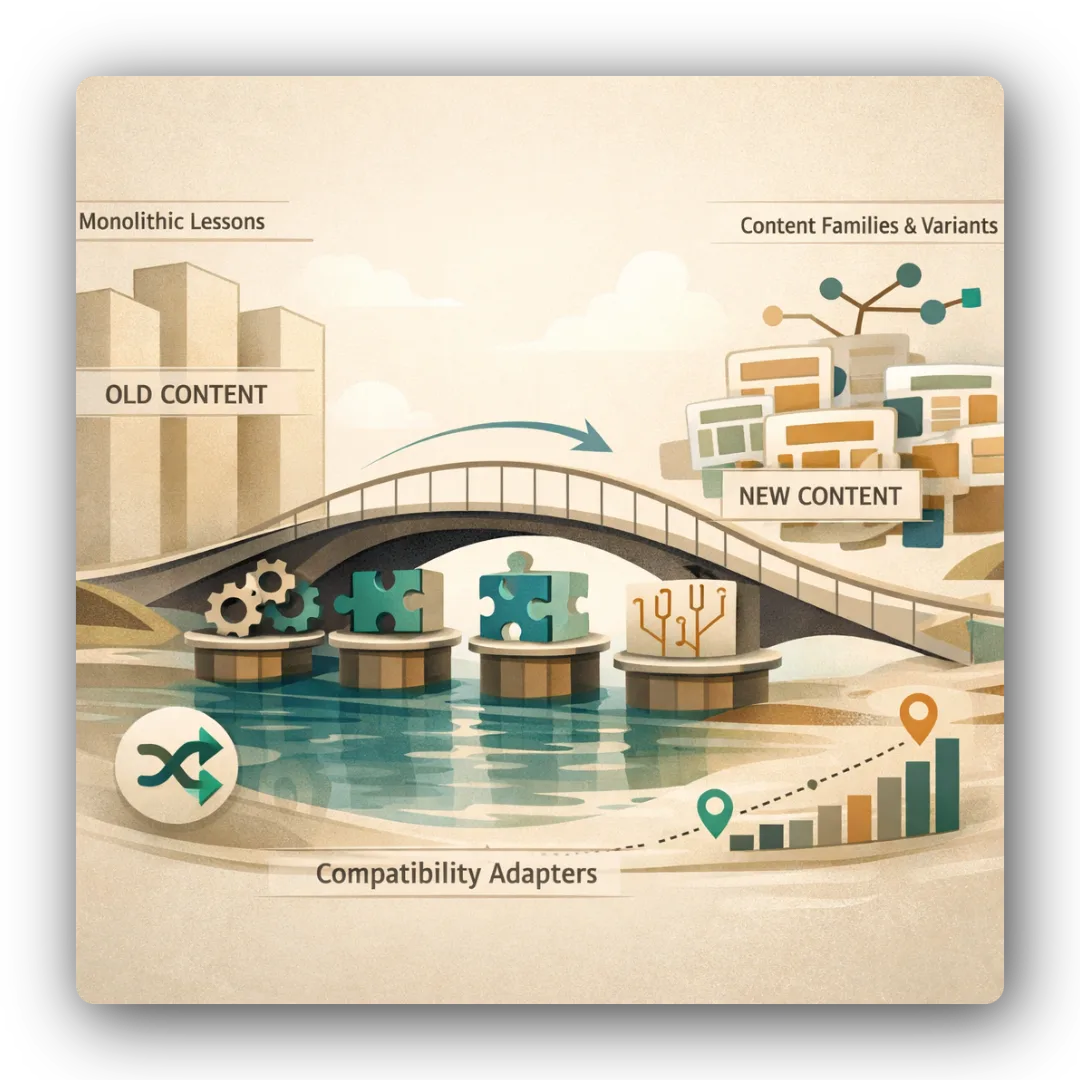
Proof of Concept: Validating Seeded Randomization and Content Families in Shipping API Dojo v2
Issue #8 implemented a proof of concept for minimum viable randomization and content families. I validated MCQ shuffling, lesson drill ordering, scenario sequencing, and SSR-safe behavior under TanStack Start.
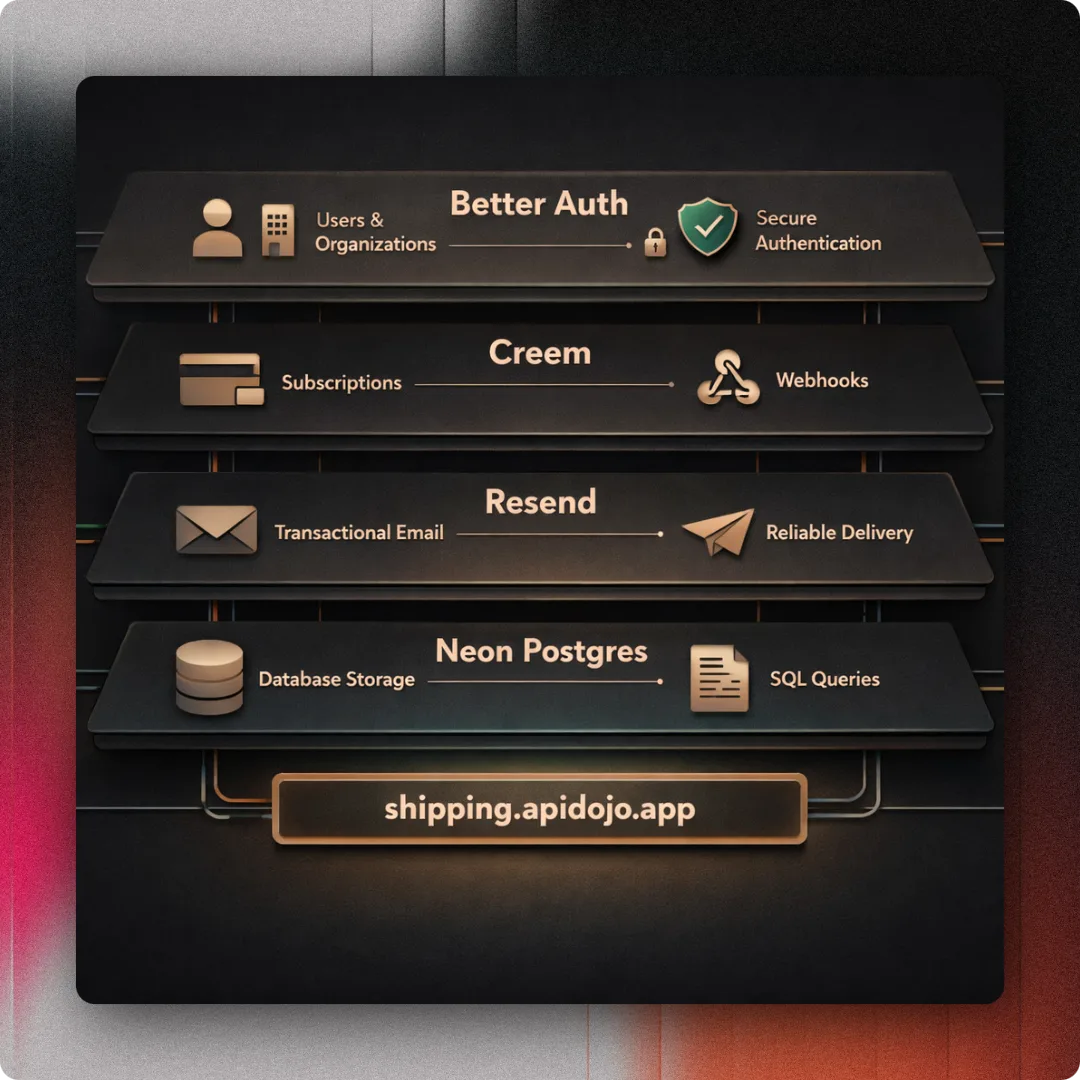
Auth Foundation: Building Better Auth, Creem Billing, and Email Infrastructure for Shipping API Dojo v2
Issue #11 completed the auth, entitlements, billing, email, and domain foundation for Shipping API Dojo v2. Better Auth, Creem, Resend, and the shipping.apidojo.app domain came together.
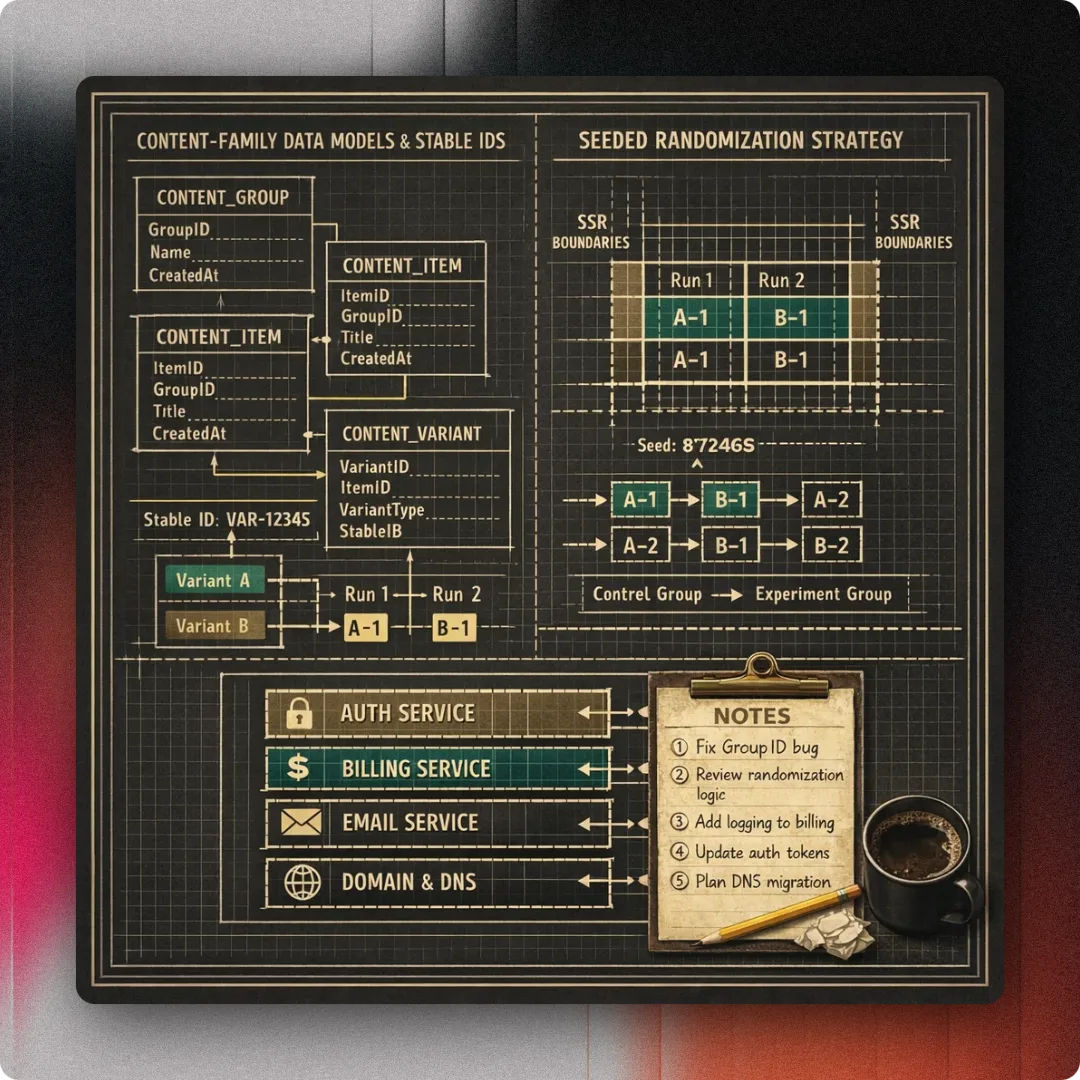
Technical Scoping: How Shipping API Dojo v2 Designed Its Content-Family Foundation
Before building Shipping API Dojo v2, I needed a complete technical blueprint. I scoped content families, seeded randomization, auth/billing/email/domain strategy, and the decisions that shaped the architecture.
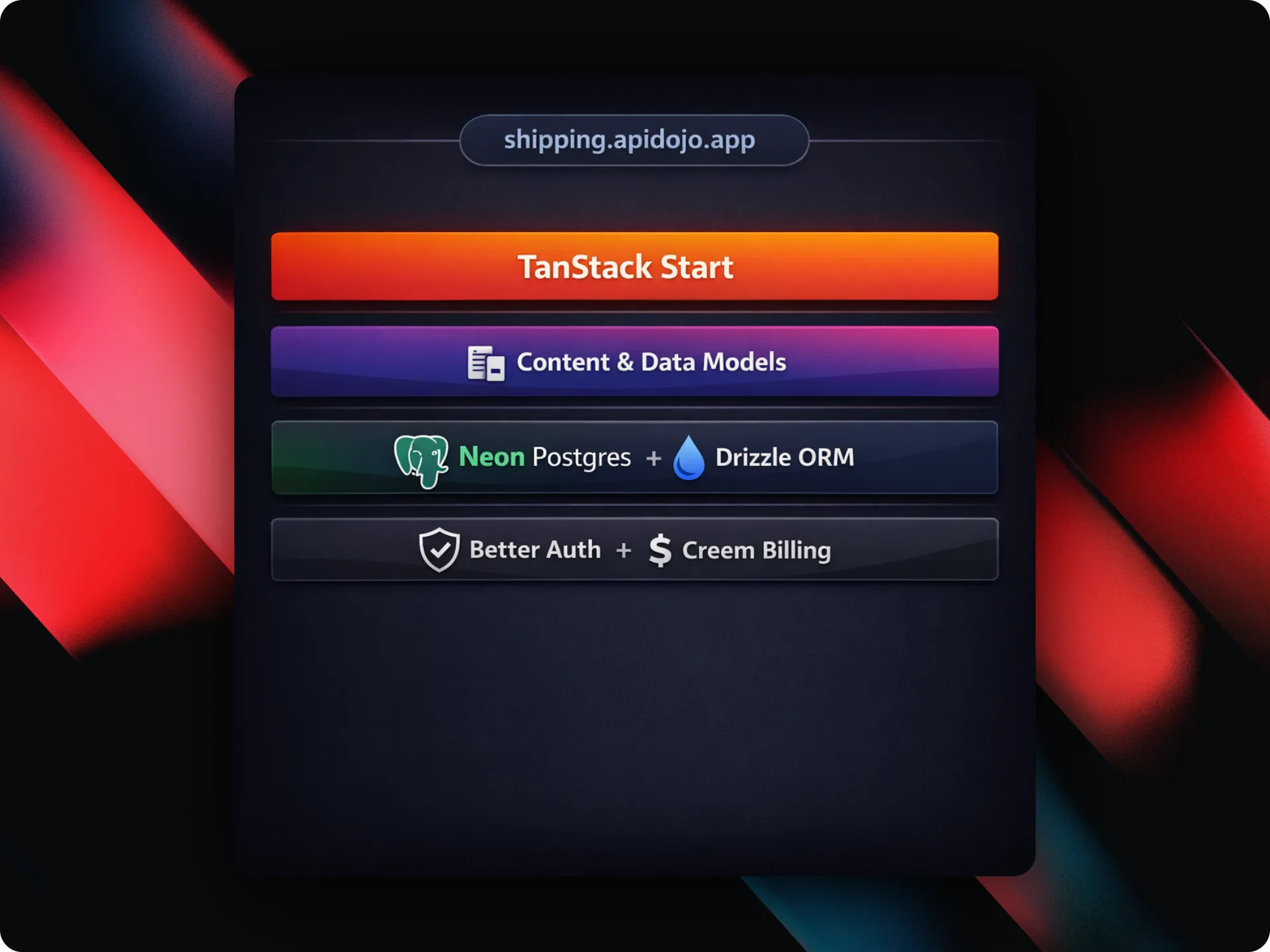
Shipping API Dojo v2: A Foundation for Randomized Learning at Scale
The massive v2 rebuild of Shipping API Dojo introduces content families, seeded randomization, and a full auth/billing foundation. Here's the architecture and vision behind the 20/20/20 curriculum expansion.
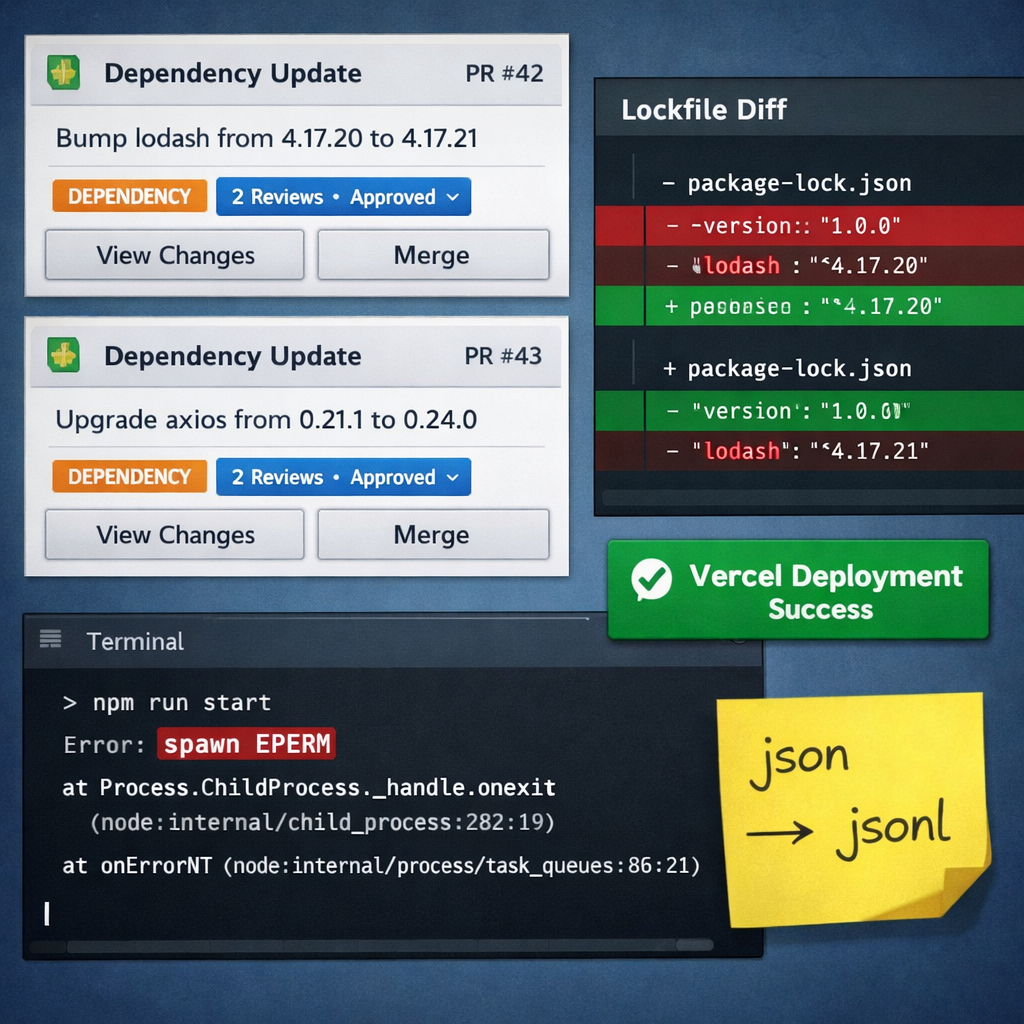
What a Day of Dependabot PRs Taught Me About Hidden State, Codex Sandboxes, and Avoiding User-Specific Installs
A day that started with routine dependency PRs turned into a workflow audit: lockfile repair, sandbox debugging, MCP memory migration, and a stronger rule to avoid user-specific installs and hidden local state.
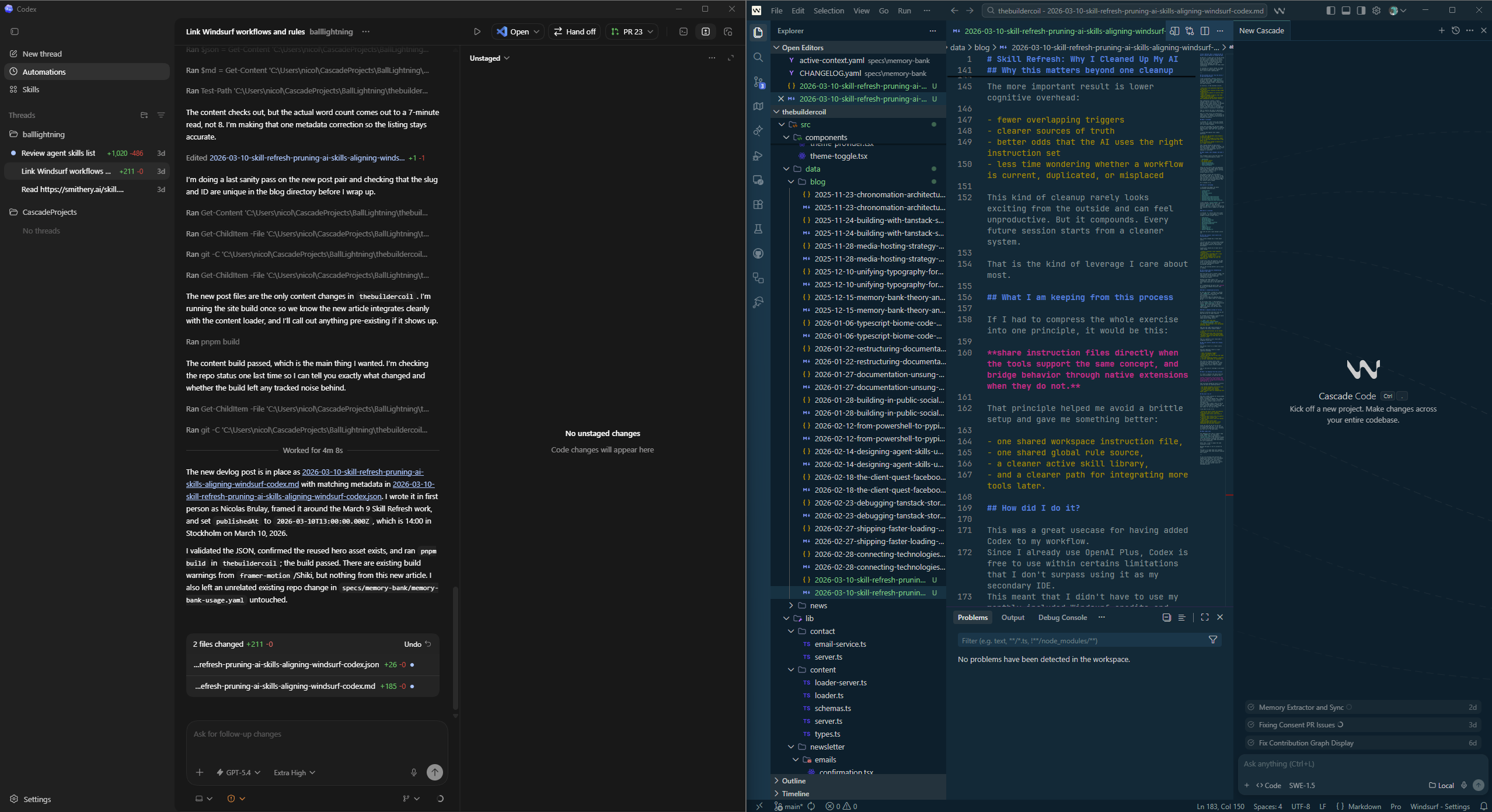
How I reviewed my AI skill library, archived the overlap, refreshed the keepers, and standardized rules and workflows between Windsurf and Codex.
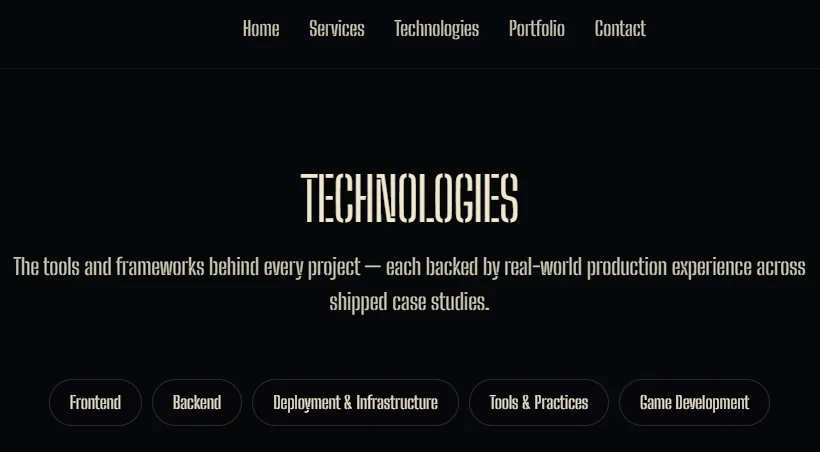
Connecting the Dots: How I Built the Technologies Page and Tightened Performance
How I shipped the new Technologies page, wired services → technologies → portfolio links, and folded in the latest performance audit fixes for Ball Lightning.
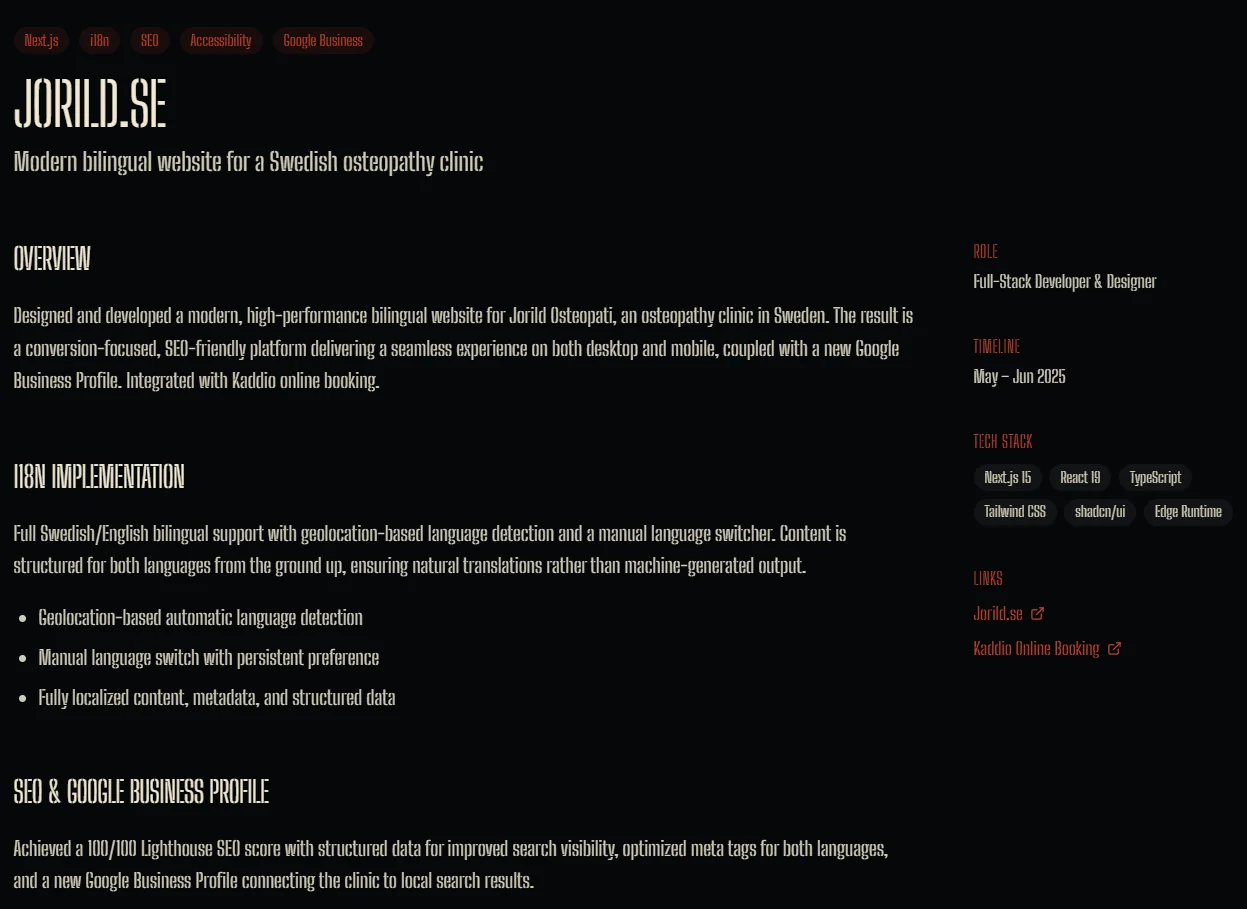
Shipping Faster, Loading Faster: How I Expanded the Portfolio and Improved Mobile Performance
How I launched six portfolio case studies, refined typography, and cut mobile LCP without breaking SSR or fonts.

Debugging TanStack Store: When Your React App Crashes Before It Renders
A TanStack Store implementation that looked correct, compiled without errors, and crashed spectacularly in the browser. The story of fixing `atom?.get is not a function` and learning to read documentation carefully.

The Client Quest: Facebook Posts, Cloudflare Redirects, and a Bash Script That Learned From Its Mistakes
A freelance client engagement told as an RPG quest — from planning in the tavern, to grabbing tools from the merchant, to a multi-day adventure of content, automation, and debugging. Plus: how this becomes a Chronomation workflow.
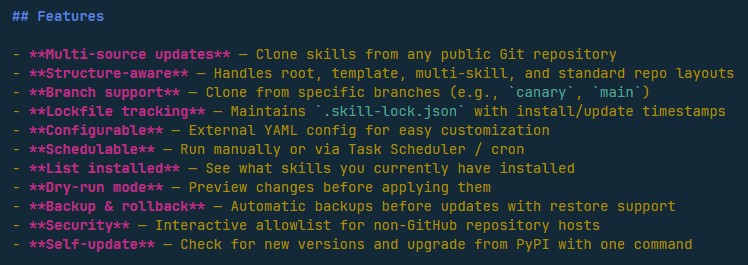
Designing Agent Skills Updater: Why Skill Management Matters for Small Teams
Why AI skill management matters for indie makers and small teams — the design thinking behind Agent Skills Updater and its place in Chronomation.
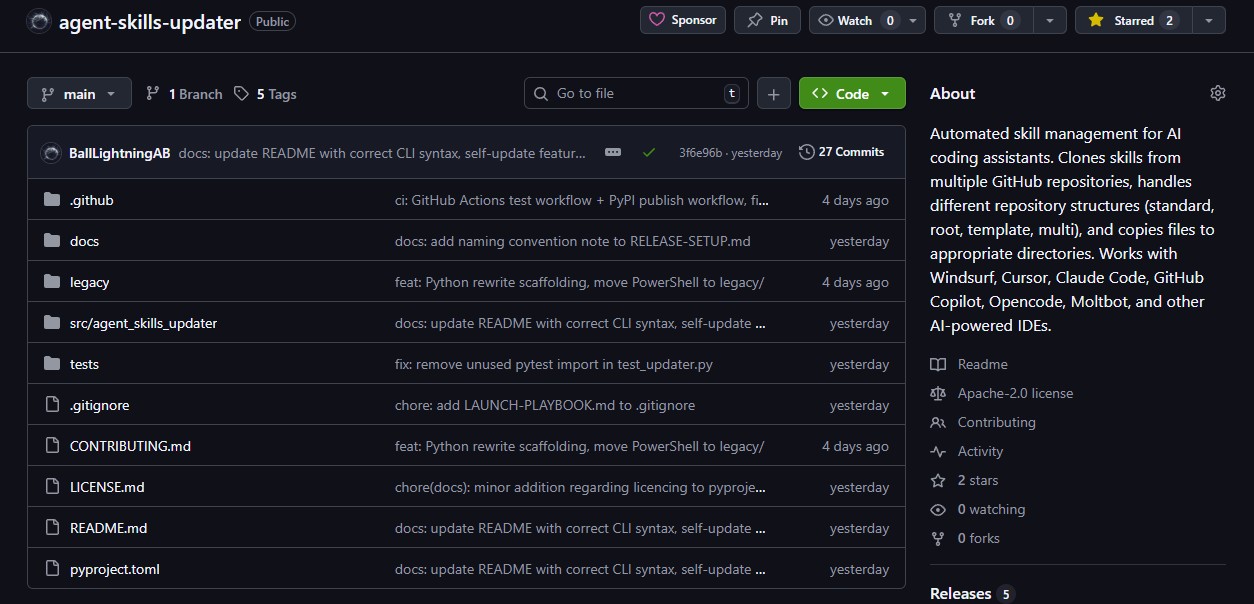
From PowerShell Script to PyPI: Building My First Open-Source Tool
How a PowerShell script for managing AI skills became a Python CLI on PyPI in two days — my first open-source release from Ball Lightning AB.
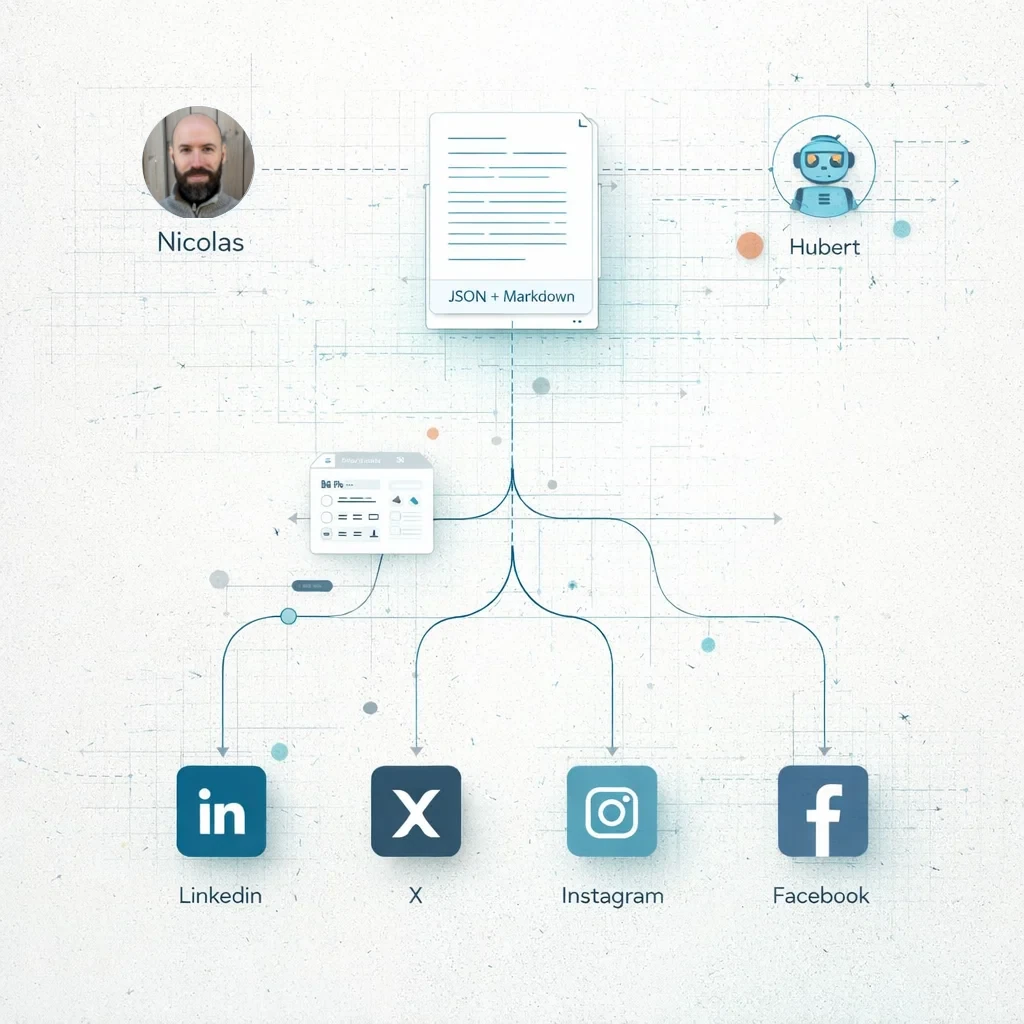
Building in Public: Three blog posts, four social posts and an article - Socials in early 2026 using AI as a co-writer and editor
Even with AI, doing content well is still hard. Here's my actual workflow for creating and distributing content across platforms, the formatting challenges I encountered, and why this matters for Chronomation.

Documentation: The Unsung Hero of Modern Software Development
Why clear documentation matters MORE in the age of AI-assisted development, not less. Drawing from Systems Design and IT Project Management experience to build better documentation for both humans and AI agents.

Restructuring Documentation for a Multi-Brand Ecosystem
How I refactored scattered documentation into a cohesive brand system repository to prepare for rebuilding my company site while maintaining consistency across three brands.

Level Up Your TypeScript: Consistent Code Quality with Biome and Agentic Coding
My routine for maintaining code quality with AI assistance: using Biome and Ultracite to ensure consistent TypeScript patterns in my agentic development workflow.
The Memory Bank: Theory, Practice, and Agentic Pair Programming
A practical spec system for working with AI coding agents: why I built a memory-bank, how it works day-to-day, and why The Builder Coil version is the template moving forward.
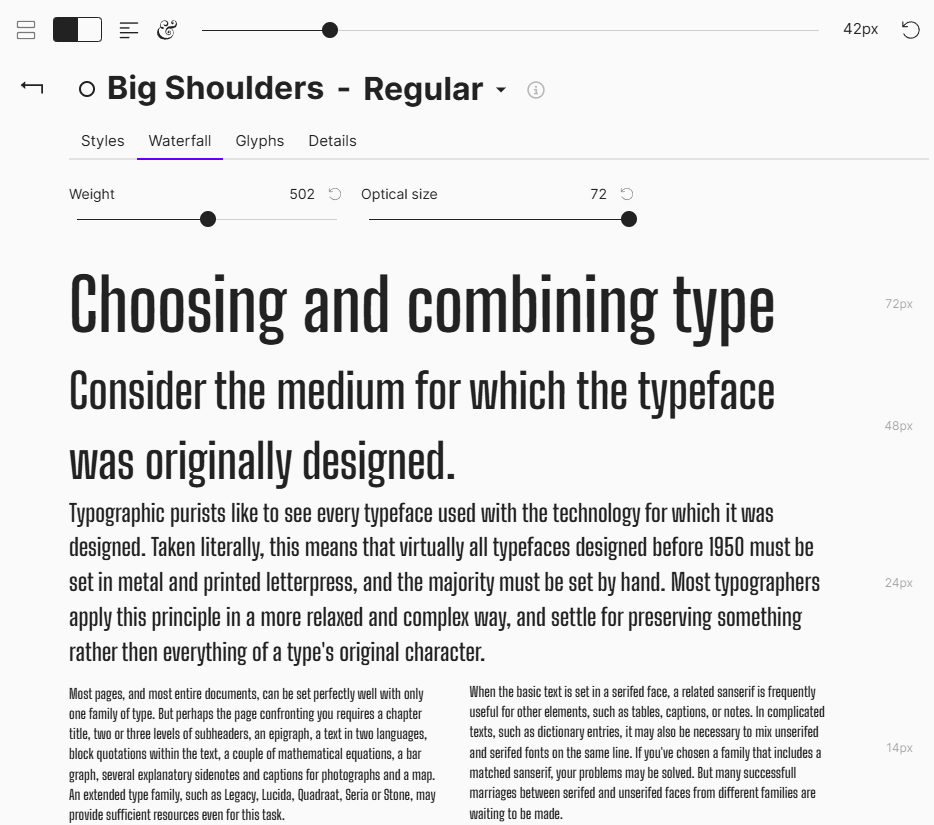
Building a Shared Typography and Layout System for Three Brands
How I’m designing a shared typography and layout system that unifies The Builder Coil, Chronomation and Ball Lightning—starting from body text, a modular scale, and consistent vertical rhythm.
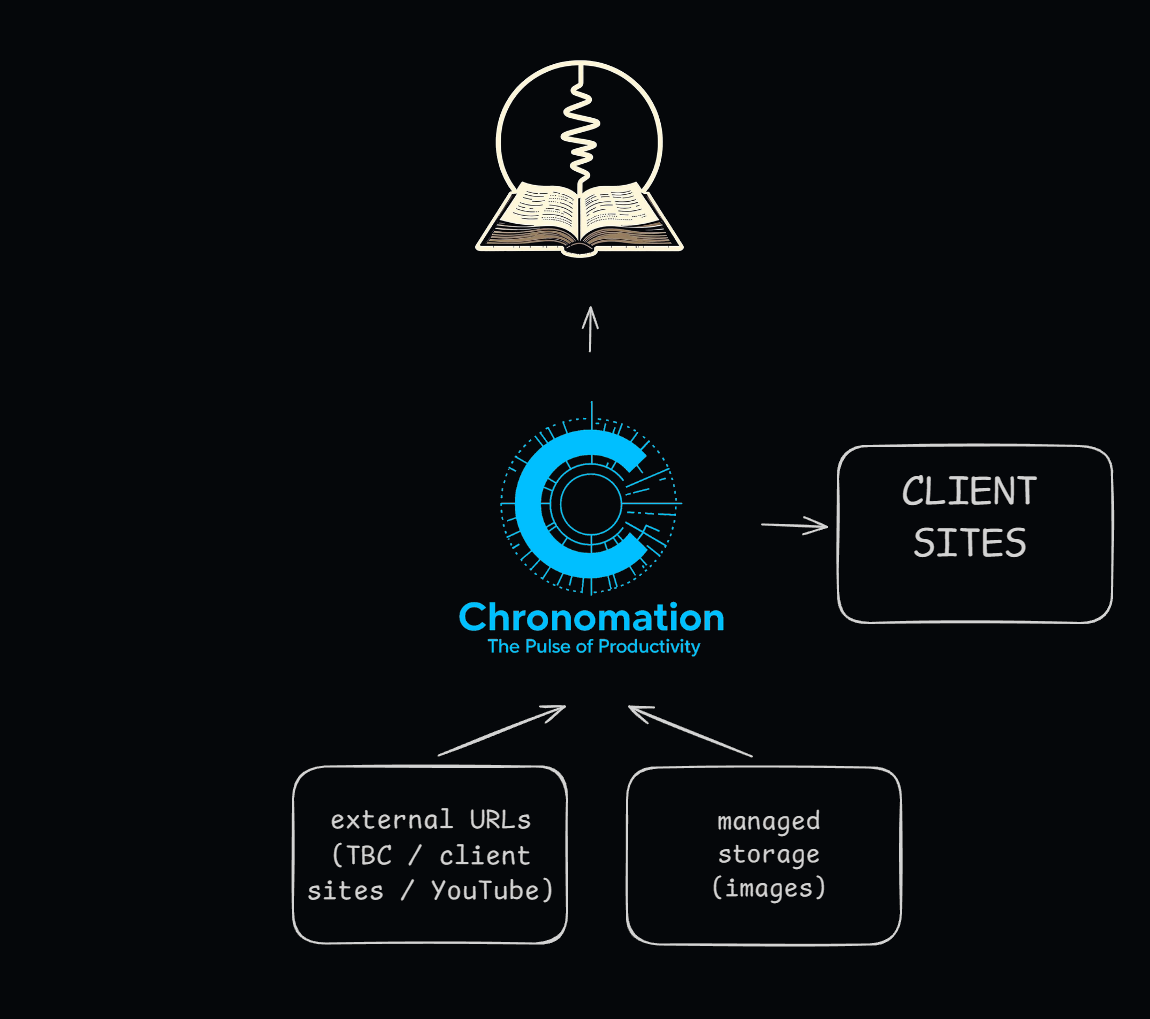
Designing Media Hosting for The Builder Coil
How I’m designing media hosting for The Builder Coil and Chronomation: from simple file-based images to multi-tenant media for future clients.
Chronomation: Key Architecture Decisions
A deep dive into the architecture decisions behind Chronomation – our multi-tenant content engine. Why we chose Neon, Drizzle, and a tenant-first data model.
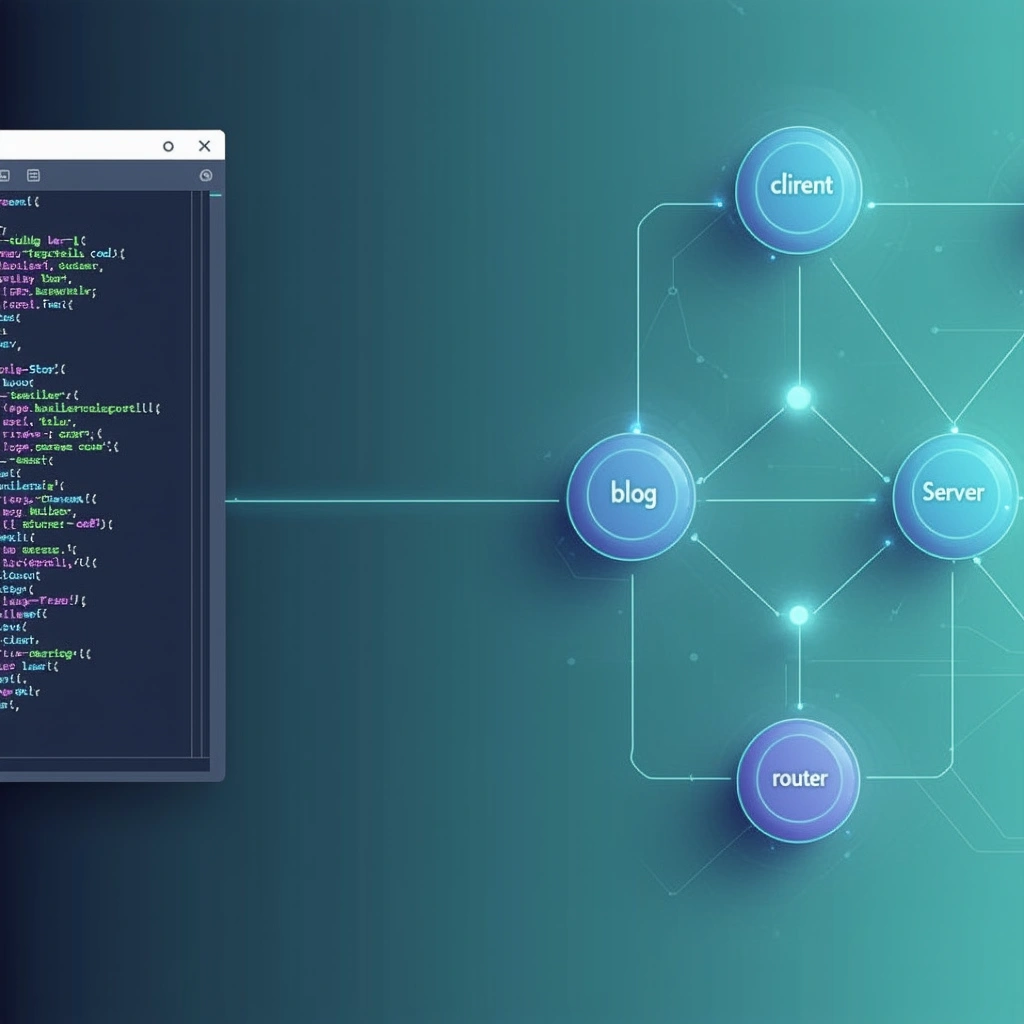
Building with TanStack Start: First Impressions
My experience setting up The Builder Coil with TanStack Start, TanStack Router, and the modern React 19 stack. What I learned and what surprised me.